The Wedding Party That Never Ends: Ready or Not
Matt Bettinelli-Olpin and Tyler Gillett
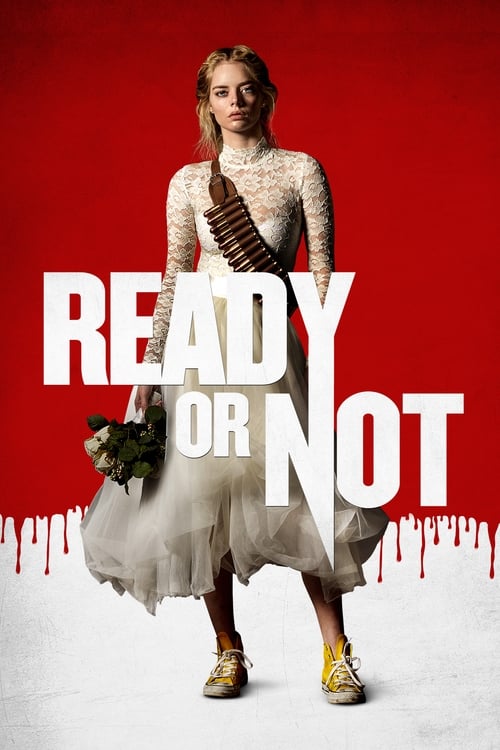
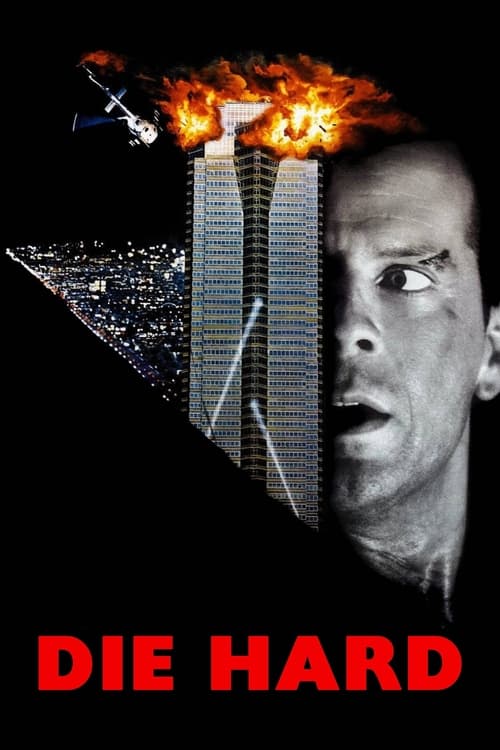
Twenty-four wedding dresses. Five separable pieces each. A sash engineered to double as a garrote. A lace sleeve meant to tear cleanly for a bandage. An overskirt designed to cushion a three-story fall. The costume designer on Ready or Not was working from a reference nobody else in the genre would have thought to pull: Bruce Willis's tank top.
That's the giveaway. Ready or Not looks like a home-invasion horror movie, but it was built from a much weirder set of reference points: 80s action, pre-war French satire, Eastern European black comedy, a Parker Brothers aesthetic, and a directing duo who spent the early 2010s making interactive shorts on YouTube. The result is one of the sharpest horror-comedies of the last decade, and its DNA is nothing like what you'd expect.
Here are the films hiding inside every frame.
The Victorian dollhouse where someone is always about to die
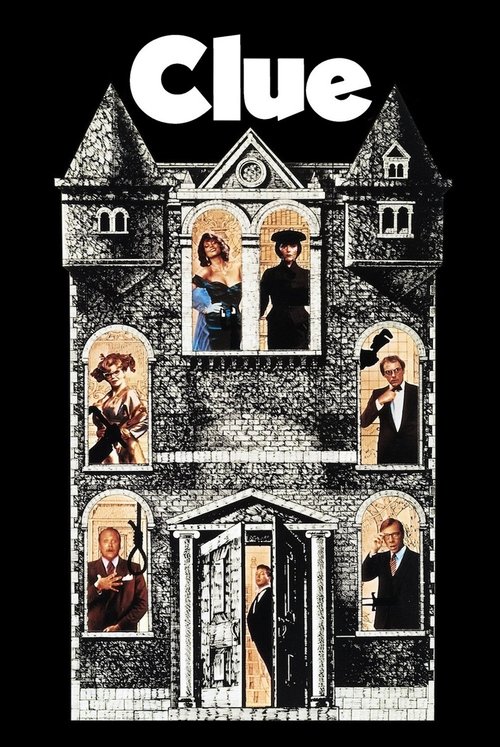
Production designer Andrew Stearn built the Le Domas estate around a very specific pairing: classic games like Clue, he said, combined with a Victorian old-money feel. That's the film in miniature. Clue gave him the floor plan, a mansion where every room exists to stage a murder, where the guests wander halls they'll soon bleed in, where the joke and the body land in the same frame.
Watch the way Ready or Not stages geography. The library, the drawing room, the servants' corridor, the wine cellar — each one gets its own set piece, each one gets its own death. It's Clue's spatial grammar dressed up in inherited mahogany. And the Le Domas fortune is built on novelty games, an origin story that only works if you've already accepted the idea that a sealed house full of rich people playing with objects can be both funny and lethal. Rewatch Clue and count how many rooms get used. It's the same impulse, just without the ritual knife.
The Buñuel dinner that never ends
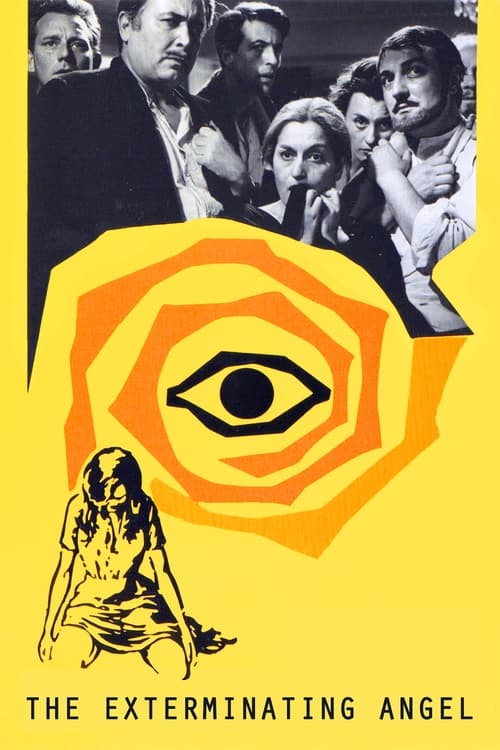
Once you see it, you can't unsee it: Ready or Not is The Exterminating Angel with a higher body count. Buñuel's 1962 film traps a group of wealthy guests at a dinner party they somehow can't leave, and watches their manners rot into savagery over days. No one can explain why. No one can cross the threshold. The horror is that the rich have always been this barbaric and the house has just finally admitted it.
The Le Domases are Buñuel's aristocrats with a rulebook. Same trap, same decay, same grotesque collapse of social performance into violence. The maids die first; the patriarch keeps quoting tradition; the whole thing ends with the house itself rejecting them. Watch the dinner-party guests slowly lose the ability to behave, and the Le Domas mansion stops feeling like a horror set and starts feeling like the oldest trap in cinema.
Why the wedding dress is secretly a Bruce Willis movie
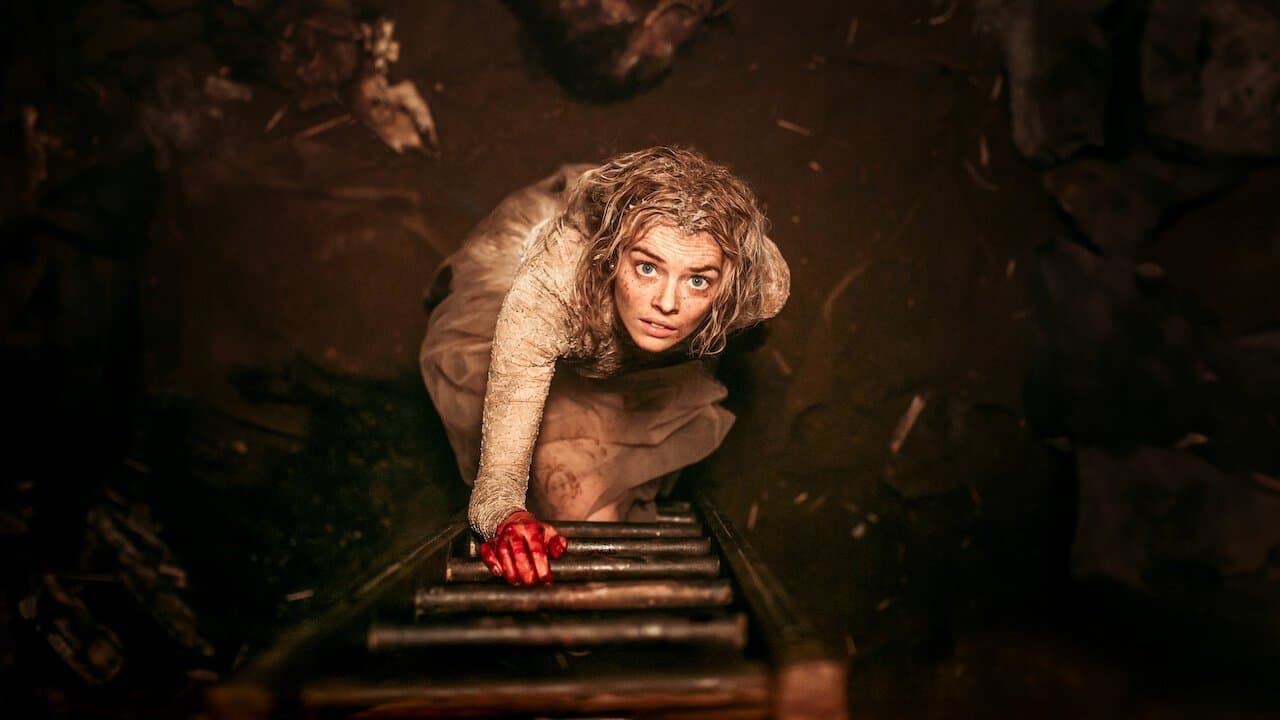
Back to the dress. Avery Plewes wasn't half-joking with the Die Hard comparison. She built the gown with a character arc — clean and white for the ceremony, progressively shredded through the night, a visual speedometer for how far Grace has traveled from bride to survivor. It has its own arc, as she put it. That's an action-movie idea smuggled into a horror wardrobe.
It's also why the film feels lighter on its feet than its peers. Grace isn't just running; she's adapting gear as she moves — a sleeve torn into a bandage, weapons scavenged from whatever the house offers up. Think John McClane crawling barefoot through an air duct and progressively bloodier, progressively more improvised. The dress is a costume that also happens to be doing stunt work.
The Raimi lineage the directors never quite escape
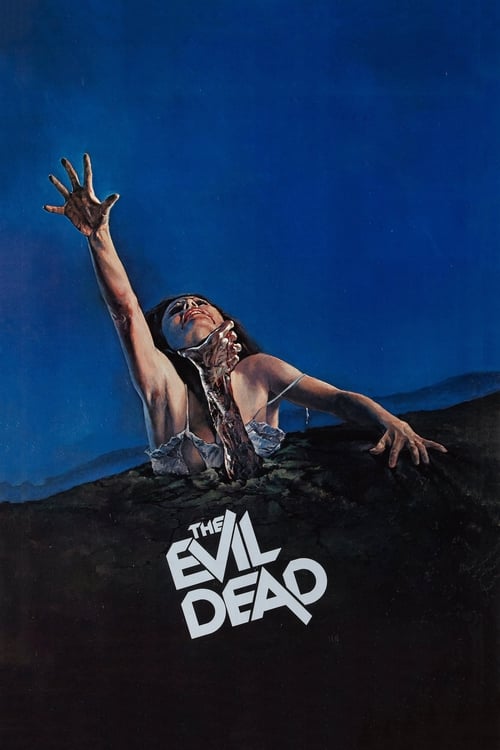
Matt Bettinelli-Olpin and Tyler Gillett started as part of a filmmaking collective called Radio Silence, which broke out making interactive shorts on YouTube before landing in the V/H/S anthology. That collective DNA, crowd-sourced, scrappy, slightly unhinged, is the same DNA that made The Evil Dead possible in 1981.
Watch the kitchen chase where Grace is pinned to a butcher block. Watch the dumbwaiter sequence. Watch the way the camera mounts itself to weapons and violence with a grin. That's Evil Dead II energy — horror as slapstick, blood as punchline, the camera as co-conspirator. Sam Raimi with a borrowed camera and a cast of friends is the direct ancestor of a collective that started making shorts with friends in bedrooms. Start with the original; stay for the sequel, where Raimi figures out that horror can be funnier than comedy.
The cinematographer who doesn't actually like horror
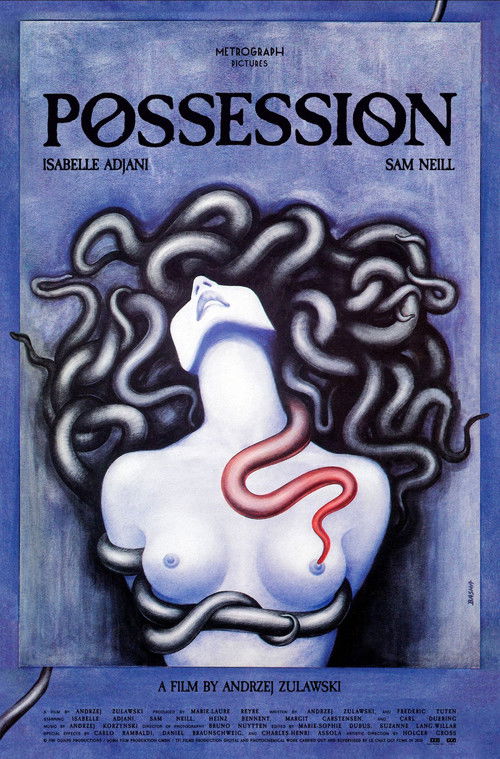
Here's the discovery that reframes the whole movie. Brett Jutkiewicz, the cinematographer on Ready or Not and every Radio Silence film since, isn't a horror guy. When asked about his references, he reaches for a different shelf entirely: Żuławski, Polanski, Kieślowski, Kaurismäki. Dark deadpan humor, he said, that can have elements of horror.
That's why the film doesn't look like a slasher. It looks candlelit. Warm. Off-kilter in a Polanski way rather than a James Wan way. The corridors breathe. The blocking has room to be absurd. If you've only ever seen Żuławski's Possession, you already know the marriage-breakdown drama that shears, without warning, into body horror. Ready or Not borrows that exact register: grounded reality that tilts into excess. Once you've watched Isabelle Adjani's subway breakdown, every Le Domas set piece gets recontextualized.
Meet the cousin they don't like to talk about
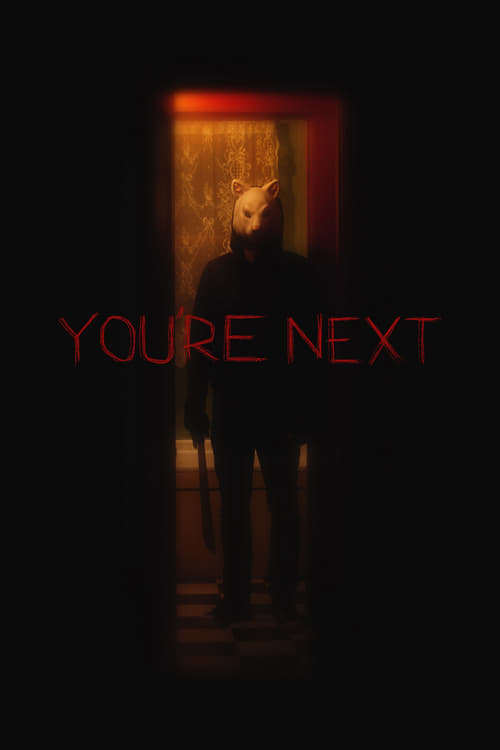
You can't write about Ready or Not without mentioning You're Next. Both films are home-invasion horror-comedies built around a resourceful woman making dinner-party aristocrats regret their choices. Both directing teams cut their teeth on the V/H/S anthology. The bloodline is direct.
But the two films solve the same problem from opposite angles. Adam Wingard's You're Next is a slow build with a mid-movie flip — you think you're watching a home invasion until you realize one of the guests has been training for this her whole life. Ready or Not front-loads Grace's vulnerability and watches her improvise in real time. Back-to-back, they're essentially the mumblegore generation arguing with itself about how a final girl should be built. Wingard's version is colder, meaner; Radio Silence's is warmer and more in love with its protagonist. Watch You're Next for the dinner-scene attack alone, that's still one of the best set pieces of the 2010s.
Jean Renoir, hunt master
The deepest ancestor is older and French. The Rules of the Game ends with a real hunt — an aristocratic weekend where servants flush game for gentlemen shooters — that Renoir staged as a kind of bourgeois slaughter ballet. The wealthy kill for sport; the help loads the guns; everyone pretends the rules make it civilized.
That's Ready or Not without the supernatural framing. The Le Domases are Renoir's aristocrats still playing the same game, just with in-laws instead of pheasants. Even the film's deadpan treatment of servant deaths — the maids get gunned down casually, almost apologetically — reads like Renoir smuggled into 2019. Watch The Rules of the Game for the hunt sequence alone; you'll recognize the Le Domas morning afterwards. Same postures, same lacquered indifference, same inability to see the help as human.
A very human comedy
Radio Silence doesn't really make horror movies. They make grounded human stories dressed in horror costumes. A wedding dress is an action-movie costume. A Victorian mansion is a Clue board. A horror score sounds like Eastern European black comedy. A hunt is a dinner party is a devil ritual is the universal anxiety of meeting the in-laws.
Start with The Exterminating Angel. Buñuel understood sixty years ago what Ready or Not is still arguing now: the rich are amateur monsters whose power depends entirely on nobody walking out of the room. Watch the guests fail to leave that dining room, then watch Grace finally torch the house. The conversation is the same. The exit strategy just got louder.