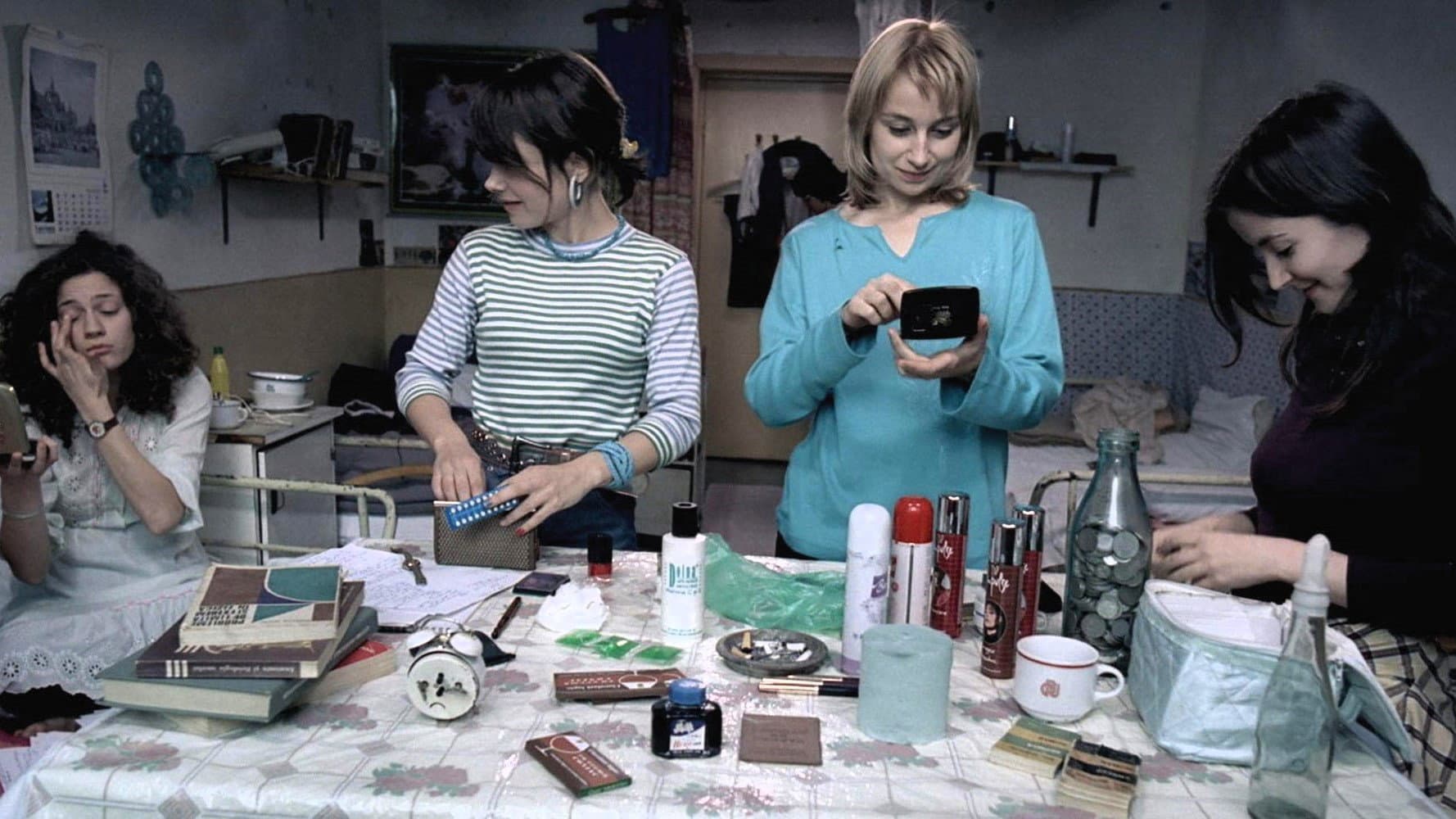
The Child of the Decree
Cristian Mungiu
What Cristian Mungiu took from the films he grew up watching under Ceaușescu — and what he made them do
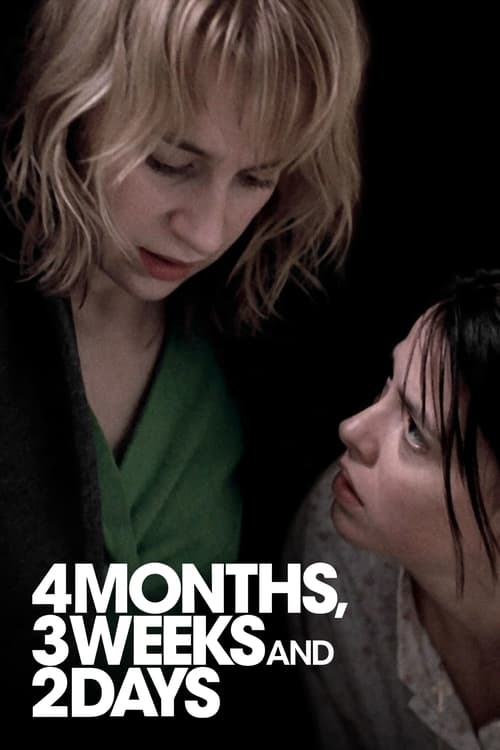
Cristian Mungiu was born in 1968, two years into Ceaușescu's Decree 770, which banned abortion and contraception for Romanian women under 45. His school class had seven kids named Cristian. Names were running out. That accident of birth didn't just give him the subject of 4 Months, 3 Weeks and 2 Days. It gave him the film's grammar. Growing up in Iași in the 1980s, with two hours of state television per night and almost nothing foreign available, you worked with what came through. What came through, on the one channel, was Dekalog.
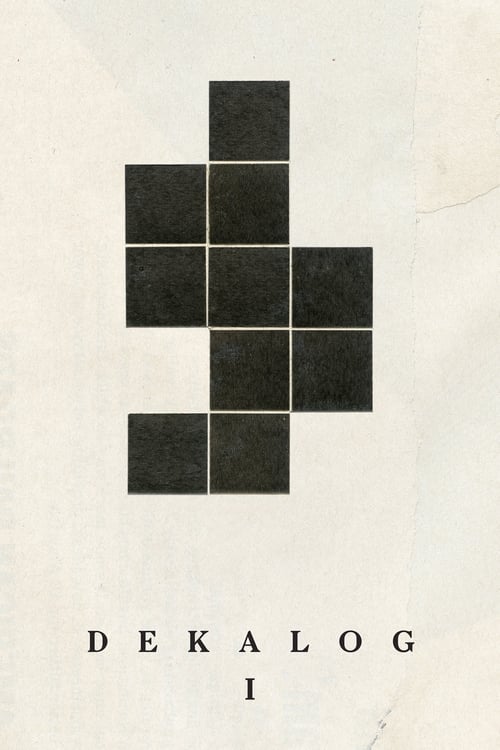
He watched Kieślowski's ten films as a teenager in a country that could barely afford to import them. When he took his entrance exam at Bucharest's national film academy, the scene he chose to analyze was Kieślowski's. The professors loved it. And the film Mungiu went on to make — real-time, scoreless, morally exact — is the answer to what Kieślowski asked.
This is the story of the films that taught him how to do it.
The Ten Commandments of a Hotel Room
Mungiu has been clear: "What we're doing now is not far away from Kieślowski's lessons." But what specifically did he take?
The metaphysics, the saturated color, the fate-machinery — none of that. What Mungiu kept from Dekalog is simpler and more structural: the question. Every Kieślowski episode is fundamentally an inquiry — what do you owe a stranger? what does loyalty cost? — delivered without an answer, in one compressed span of time, with a camera that watches decisions rather than illustrates them. 4 Months is built on exactly that architecture. What does Otilia owe Găbița? The film never tells you. It just makes you sit there.
The dinner-table scene at Adi's family's apartment — eight people, one static shot, Otilia mute while doctors and teachers talk about potatoes and the army — is a Dekalog set piece dropped into communist Romania. The camera doesn't move because Otilia can't move. The moral weight accumulates in the stillness.
The Romanian Film Nobody Mentions
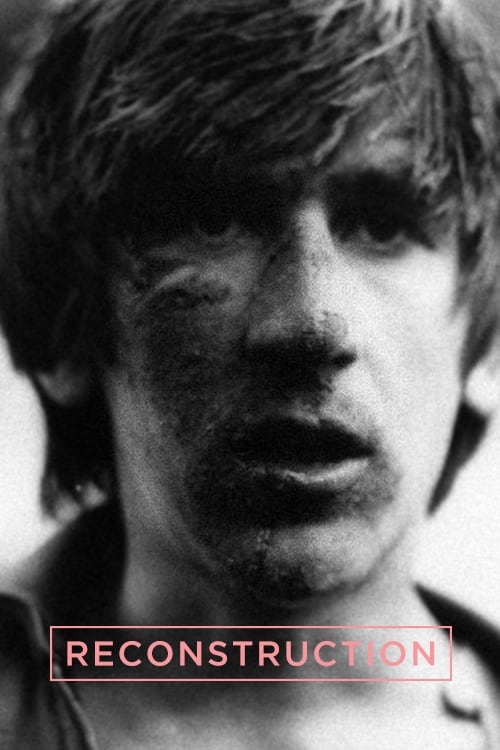
Almost nobody writing about the Romanian New Wave will tell you this: Mungiu considers a 1968 Romanian film to be the greatest the country has ever made. Not his own. Not Puiu's. Lucian Pintilie's Reconstruction — Reconstituirea — from the year Mungiu was born.
The premise is brutal and dry. Two young men get drunk and scuffle in a bar. The state decides to film a reenactment as a propaganda warning. During the shoot, one of them dies. Pintilie filmed it in a documentary register so flat it looks like police footage. No score. No moral framework provided by the camera. The state's cruelty arrives through logistics rather than violence.
Mungiu picked it for his personal retrospective at SEMINCI in 2022 alongside his own films and said it "continues today to be the Romanian film with the greatest force." He'd made the same case publicly fifteen years earlier.
The connection to 4 Months runs deep. The off-screen rape in the hotel room with Mr. Bebe, the bureaucratic choreography of arranging the abortion, the silence at the end where Otilia and Găbița agree, without speaking, to never discuss what happened — all of it inherits Pintilie's moral architecture. The horror arrives through procedure. Catharsis is refused. The state isn't depicted; it's implied by how people move around each other.
The Belgian Method
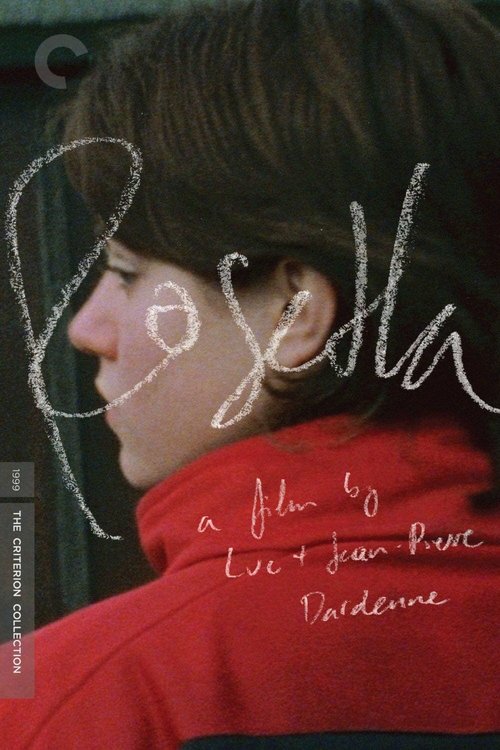
By the time Mungiu shot 4 Months, the Dardenne brothers had spent nearly a decade establishing their grammar: shoulder-mounted camera at the back of a body in motion, refusing the reverse angle that would give you a face to interpret, following a person through a city as if you'd snuck in behind them.
His technical rules for the film read like a Dardenne manifesto: no tripod, no Steadicam, no crane, no dolly. One shot per scene. "We never panned or tilted to see an actor's face," he said. "Many lines come from off camera or actors don't have their heads in frame." The camera follows Otilia rather than Găbița — the helper rather than the patient — because the moral subject is always the person who has choices.
The last reel, where Otilia walks through nighttime Bucharest with the fetus in a bag, is Rosetta shot in grey. The city doesn't know what she's carrying. Every pedestrian is potential exposure. Every streetlight is too bright. The Dardennes gave Mungiu the grammar for that walk. What he added was the specific texture of a city under Ceaușescu — "no light on the streets," as he described it, "a very bleak and grayish atmosphere overall" — and an ending the Dardennes might have found too withholding even for them.
What the Frame Hides
Mungiu never invokes Bresson by name for this film. The connection runs through the Dardennes, who absorbed him so completely that Bresson's rules arrive in 4 Months already translated into contemporary form.
The logic is visible in what the film refuses to show versus what it insists on. The rape: off screen. The abortion procedure: almost entirely off screen. The fetus: on screen, held in a long, unflinching shot. A small knife Otilia takes from Bebe and never uses appears and disappears without comment. The objects carry the moral weight the scenes refuse to dramatize — which is precisely the grammar Bresson built across his career: trust the thing, not the face.
Anamaria Marinca's face is withheld for long stretches. You get her back, her shoulder, the line of her jaw. A close-up that gives you everything also tells you how to feel. Mungiu won't do that to you.
What the French Taught Him About the Past
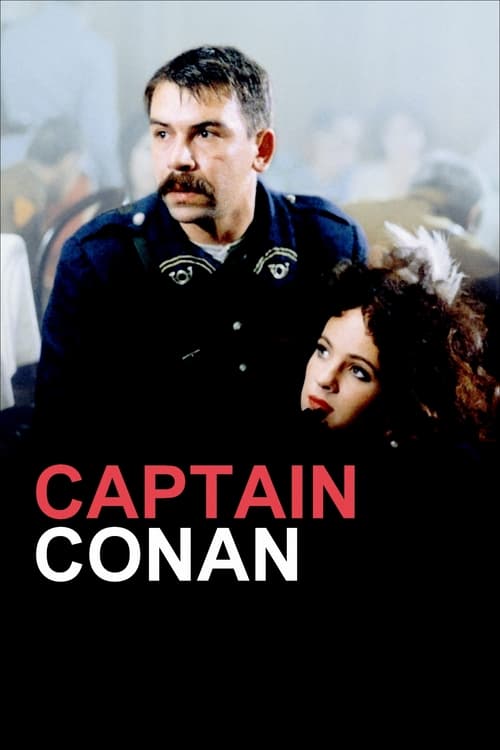
Before Mungiu ever directed anything, he spent years as a first assistant director — fifteen features between 1994 and 1998. One of them was Bertrand Tavernier's Capitaine Conan. Tavernier remembered him as someone he discovered on set: "very devoted, very passionate. One of the real finds I made during 'Conan.'"
What the apprenticeship gave Mungiu, whether consciously or not, was a model for how to film a period without fetishizing it. Capitaine Conan is a World War I film that refuses every obvious signifier of World War I — no heroic last charges, no muddy poetry. The horror lives in administration, in boredom, in men who don't know what the war was for. Mungiu articulated the lesson precisely at Cannes: "I tried to make a film about my characters and not about the period. I wanted the period to be always just the context and not the subject."
4 Months has no period-detail signaling. No Ceaușescu portraits, no newsreel inserts, no symbolic crossings. The Kent cigarettes used as bribes, the Dacia parked outside, the single TV channel mentioned in passing — these are the air the characters breathe. You feel 1987 Bucharest without ever being told to.
The Peer Engine
4 Months wouldn't exist without Cristi Puiu's The Death of Mr. Lazarescu — not as an influence exactly, but as proof that the formal severity Mungiu wanted was survivable by an audience and fundable by Romanian cinema. The two films share a cinematographer, Oleg Mutu, and a supporting actress, Luminiţa Gheorghiu, who appears in both. One critic wrote that she "passes the humanist baton" directly from Puiu's film to Mungiu's.
Mungiu's account of what his generation was reacting against is precise: "Very unbelievable stories, very fake acting, wrong, fake dialog, nothing natural. We don't need a lot of things — music, lots of editing. We want to make films that won't abuse the means you have as a filmmaker." Puiu demonstrated the approach in 2005, Porumboiu's 12:08 East of Bucharest won at Cannes in 2006, and Mungiu took the Palme d'Or in 2007. What looked like a movement was three filmmakers daring each other.
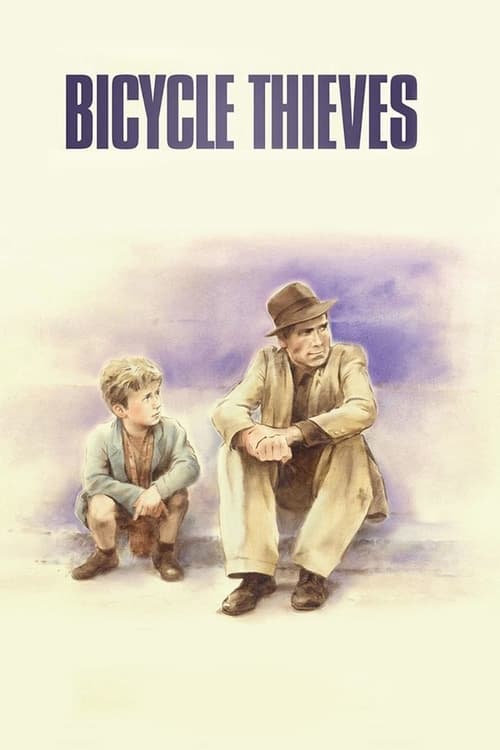
Bicycle Thieves in a Ceaușescu Corridor
He picked Bicycle Thieves for his Criterion Closet in 2018 — five choices total, all of them precise. The connection to 4 Months is structural: an ordinary person on a one-day urban quest, in a city that is itself the second protagonist, with a moral burden the surrounding population is too occupied to register.
What De Sica gave Mungiu is the engine of the thing. Find a hotel room. Find cigarettes for the bribe. Find money. The drama lives in procurement rather than confrontation. Otilia crossing Bucharest and Antonio crossing Rome are running the same errand — both films understand that logistics, not tragedy, is what grinds people down. The practical obstacles are the oppression.
The Dinner Table and the Czech Ghost
Miloš Forman is the name Mungiu slips into interviews almost as an aside — him and Robert Altman as filmmakers he "respects." The influence crystallizes in exactly one scene.
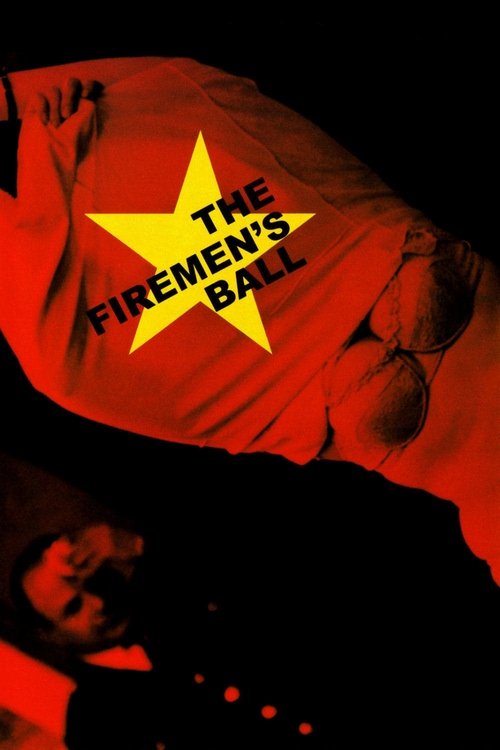
The dinner party at Adi's mother's apartment. Eight people around a table, doctors and teachers holding forth about potatoes and travel and the army. Otilia sits in the center, completely enclosed, unable to leave, unable to speak. The scene plays like something from The Firemen's Ball with the comedy removed — an ensemble revealing itself through what it laughs at, through the elaborate social performance of people who've learned never to say the real thing. Forman's great subject was collective self-deception, rooms full of people performing normalcy over something they all know but won't name. Mungiu takes that sensibility and removes every last trace of absurdist relief.
What the Map Says
The through-line in everything Mungiu absorbed is a single instruction: show the unbearable, hide the dramatic. Kieślowski's moral weight without score or close-up. Pintilie's refusal of catharsis. The Dardennes' camera that follows rather than leads. Bresson's objects that carry what faces won't. Tavernier's discipline about what a period is actually for. De Sica's understanding that bureaucracy is the real antagonist.
The film he made is where all of those lines converge. It took someone who grew up under a decree, watched Dekalog on state television, and spent years as an assistant director learning when to hold still.
Start with Dekalog. Not because it's the most obvious precedent but because it's the one that built the frame. Mungiu watched it as a teenager on a single channel in a city with no light on the streets, and it stayed in him. The films that reach you at seventeen become the way you see — long after you've stopped being able to say exactly why.